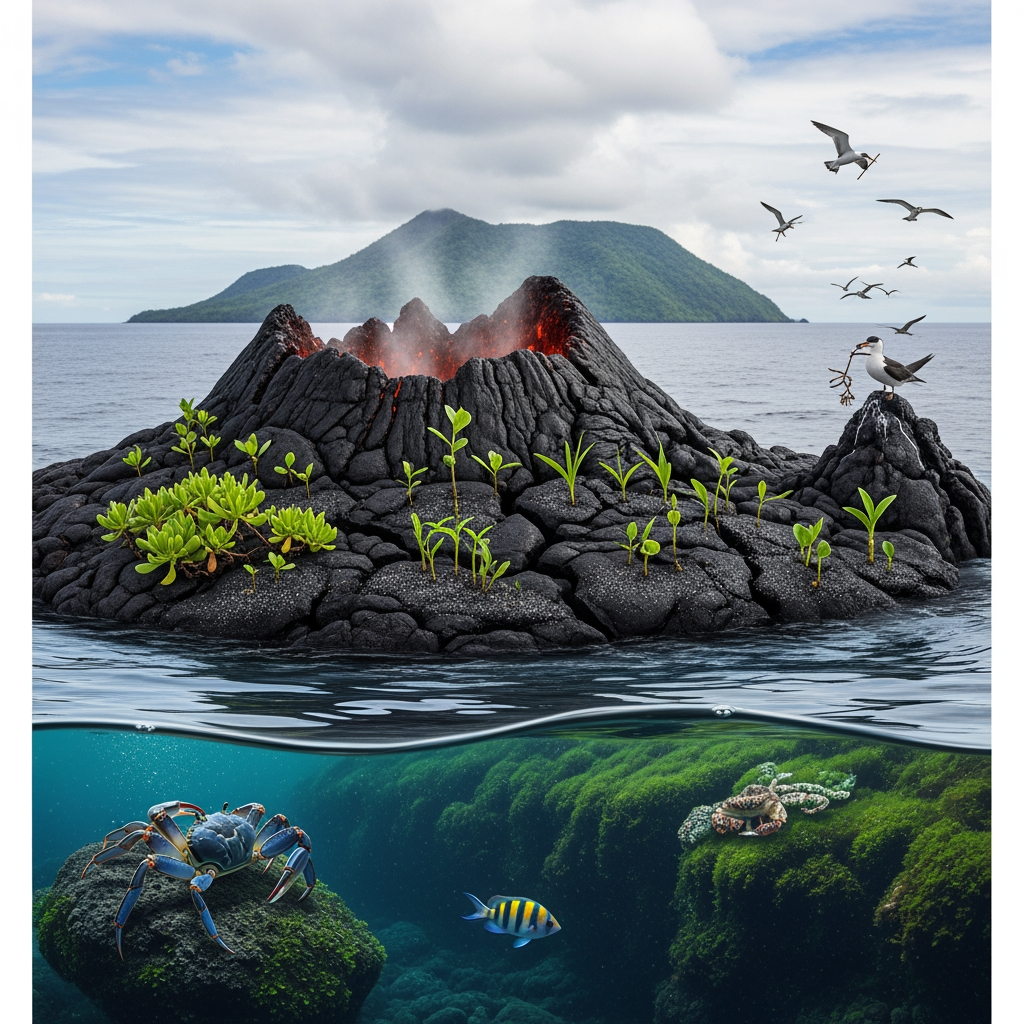
When volcanic eruptions create new islands, they offer scientists a unique opportunity to watch ecosystems develop from scratch. The colonization process reveals fascinating insights about how life spreads and adapts.
First Arrivals
Wind-blown spores and seeds are typically the first to arrive, followed by insects and spiders carried on air currents. Birds play a crucial role, bringing seeds in their digestive systems and parasites in their feathers. Within just a few years, bare rock can support simple plant communities.
Building Complexity
As plants establish themselves, they create soil and shelter for other species. Studies of islands like Surtsey, which emerged off Iceland in 1963, show that complex ecosystems can develop within decades—much faster than scientists once believed possible.
These natural experiments help biologists understand ecological succession and may inform efforts to restore damaged ecosystems elsewhere.
This article was generated by AI to provide informational content.