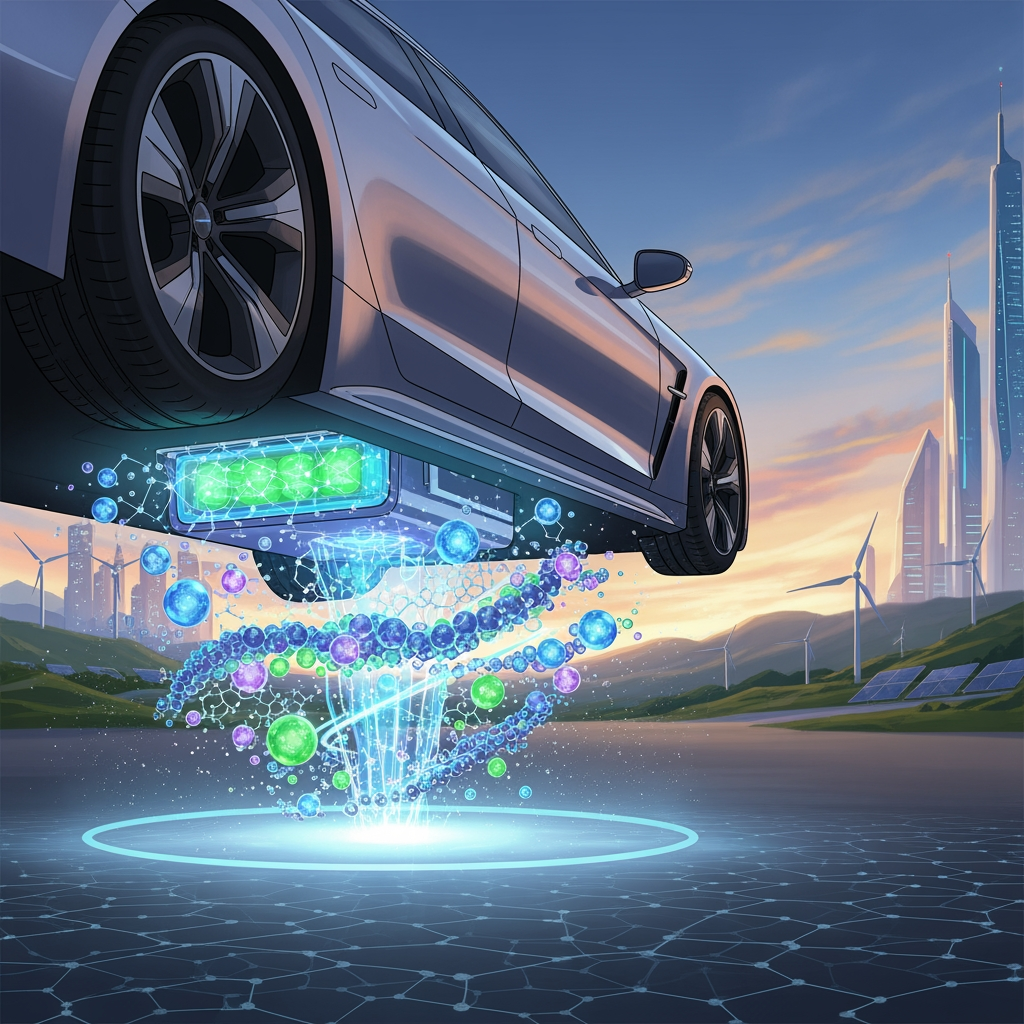
Solid-state batteries promise to solve the biggest limitations of electric vehicles: range, charging time, and safety. Major automakers predict they'll reach production within the next few years.
How They're Different
Current lithium-ion batteries use liquid electrolytes. Solid-state batteries replace this with a solid material, enabling denser energy storage, faster charging, and elimination of fire risks from flammable liquids.
The Potential
Solid-state batteries could double or triple EV range while cutting charging times to minutes rather than hours. They would also last longer and remain safer throughout their lifespan.
Manufacturing challenges remain, particularly in producing solid electrolytes at scale and ensuring they maintain contact with electrodes over thousands of charge cycles. But progress has been rapid, and several companies claim to be nearing production-ready designs.
This article was generated by AI to provide informational content.