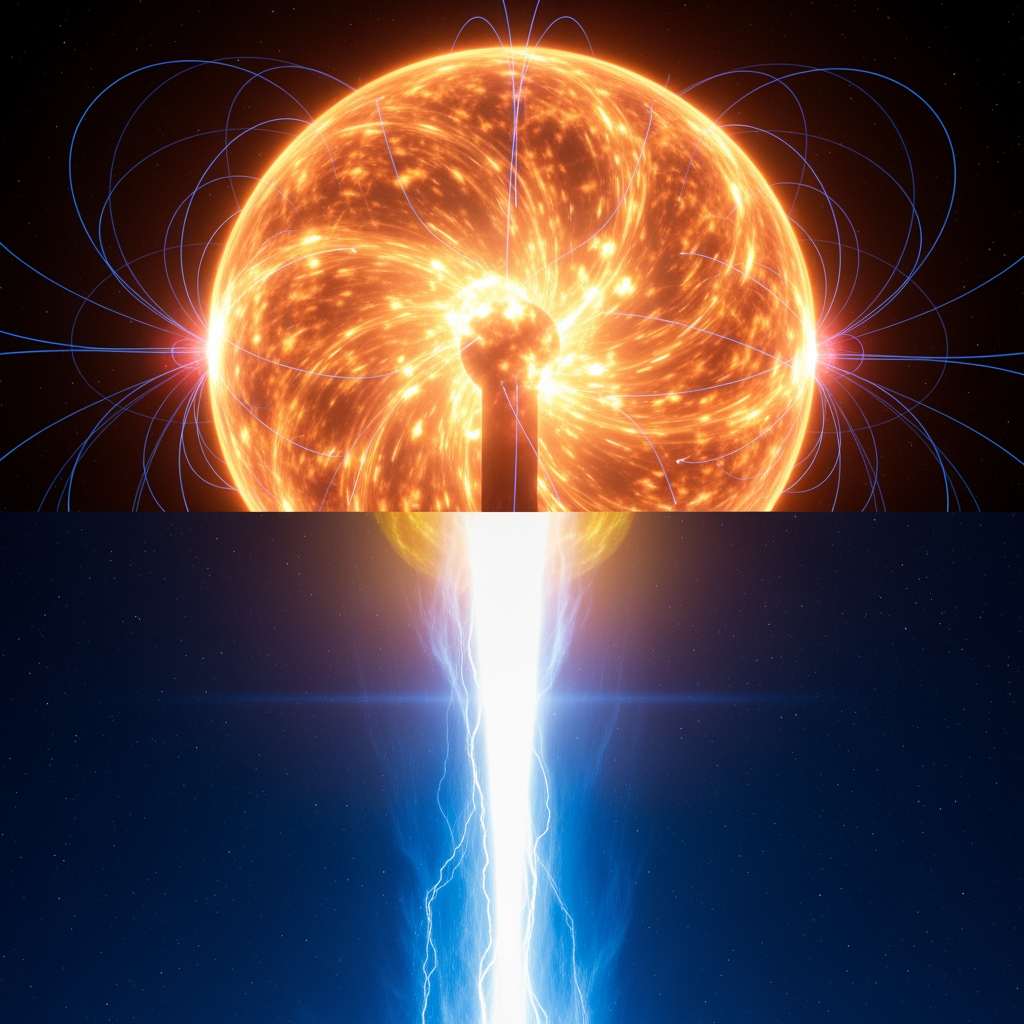
After decades of promises, nuclear fusion—the process that powers the sun—has achieved a historic milestone. For the first time, a fusion reaction produced more energy than was used to start it.
The Breakthrough
At the National Ignition Facility, scientists used powerful lasers to compress a tiny pellet of hydrogen isotopes until fusion occurred. The reaction released more energy than the lasers delivered, achieving what physicists call "ignition." This proves that net-energy fusion is physically possible.
The Road Ahead
Significant challenges remain before fusion can generate electricity commercially. The current system fires only a few times per day, while a power plant would need to sustain reactions continuously. But multiple private companies and international projects are racing to solve these engineering problems.
If successful, fusion could provide virtually unlimited clean energy using fuel derived from seawater.
This article was generated by AI to provide informational content.