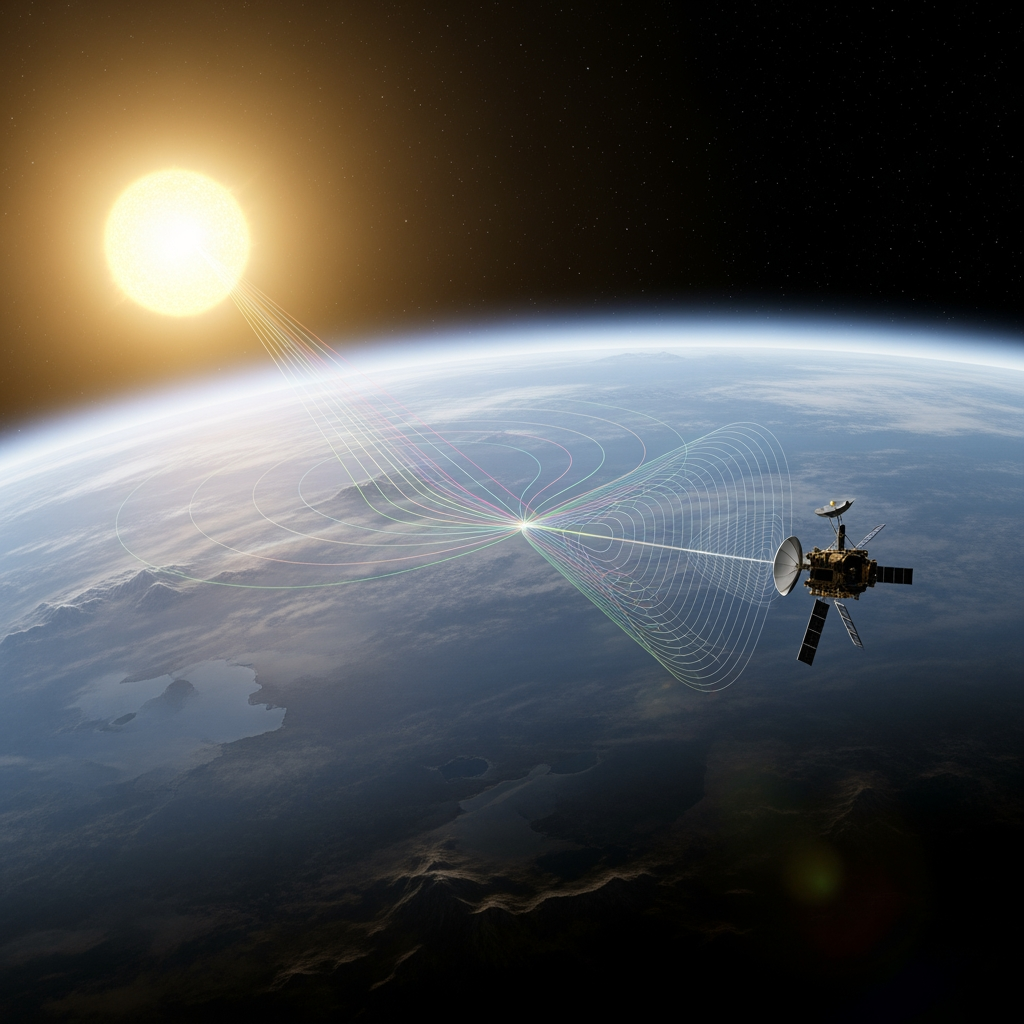
The James Webb Space Telescope has achieved another milestone: providing the first detailed analysis of a rocky exoplanet's atmosphere. This capability brings us closer to answering the question of whether we're alone in the universe.
What They Found
The planet, located about 40 light-years away, appears to have an atmosphere dominated by carbon dioxide with traces of sulfur compounds. While this particular world is too hot for life as we know it, the techniques used can be applied to potentially habitable planets.
The Search for Biosignatures
Scientists are particularly interested in finding atmospheric biosignatures—gases that could indicate the presence of life. On Earth, oxygen and methane in our atmosphere are largely produced by living organisms. Finding similar combinations on other worlds would be tantalizing evidence.
Several promising Earth-sized planets in habitable zones are already queued for observation.
This article was generated by AI to provide informational content.