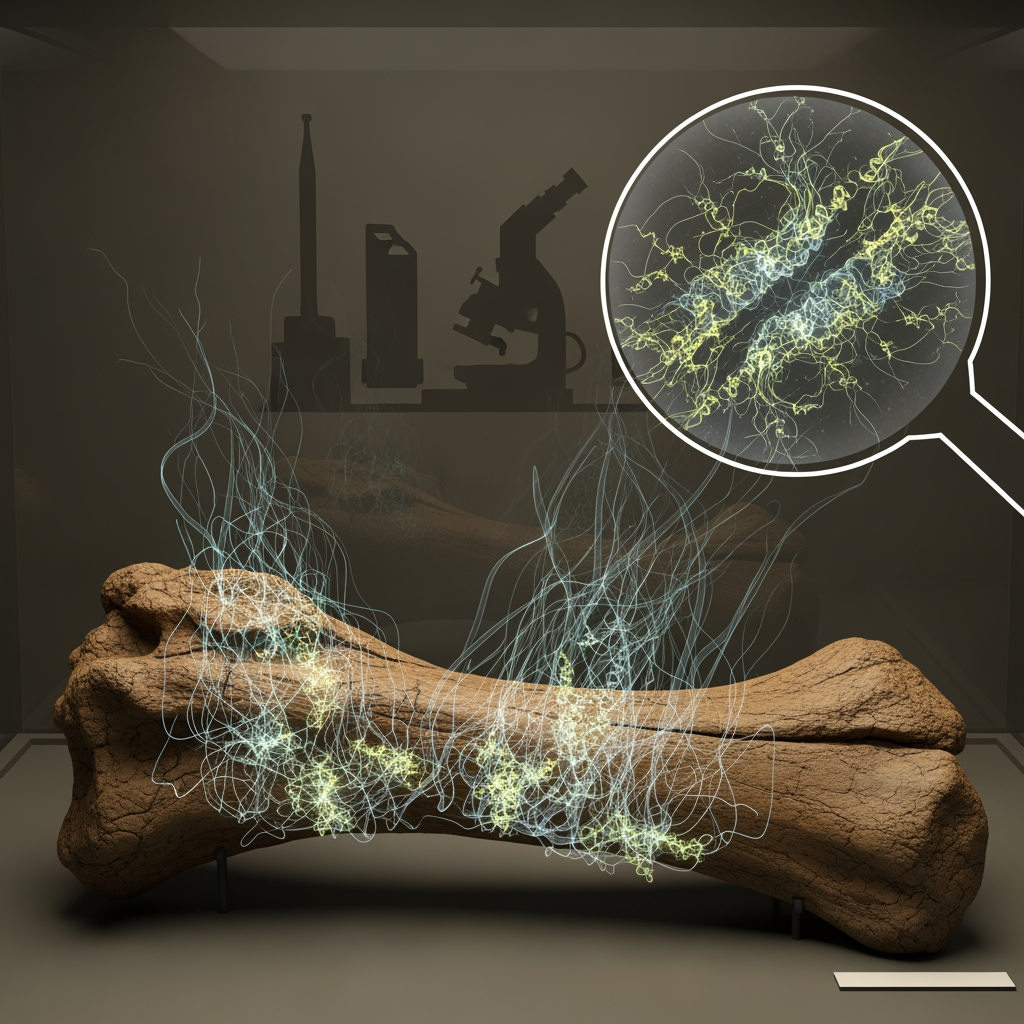
In a finding that seemed impossible just years ago, researchers have identified preserved proteins in dinosaur fossils, opening new windows into the biology of these ancient creatures.
How Proteins Survived
Scientists long assumed that proteins couldn't survive millions of years. But under certain conditions—burial in iron-rich sediments that exclude oxygen and microbes—fragments can persist. Advanced mass spectrometry techniques can now detect and identify these molecular fossils.
What the Proteins Reveal
Analysis of collagen from a Tyrannosaurus rex and other dinosaurs shows they're most closely related to modern birds, confirming what skeletal evidence suggested. The proteins also reveal aspects of dinosaur physiology that bones alone cannot, including immune responses and metabolic processes.
Some researchers are even exploring whether DNA fragments might be preserved in similar conditions, though that remains highly speculative.
This article was generated by AI to provide informational content.