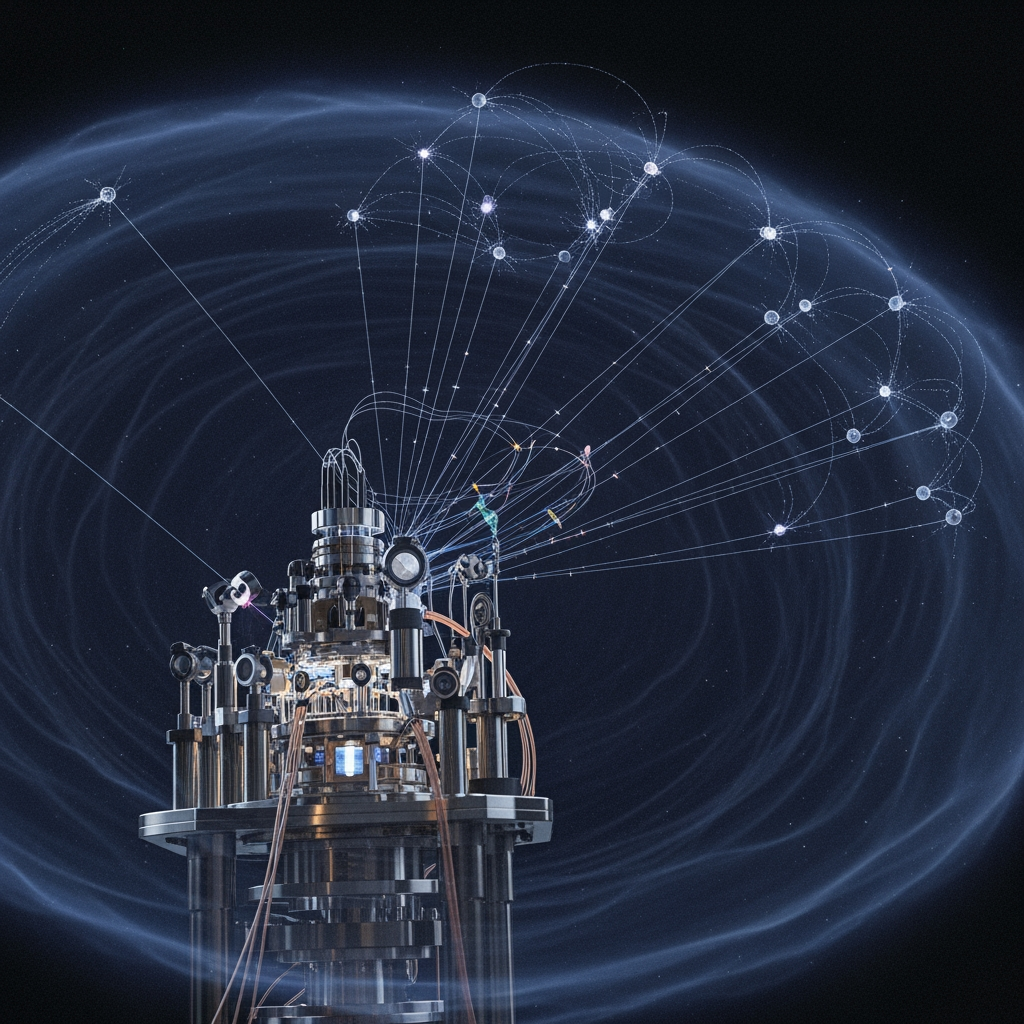
Dark matter makes up about 27% of the universe but has never been directly detected. A new generation of experiments is now sensitive enough that detection—or conclusive non-detection—may finally be within reach.
What We Know
We know dark matter exists because galaxies rotate too fast to be held together by visible matter alone, and light bends around galaxy clusters more than visible mass can explain. But what dark matter actually is remains one of physics' greatest mysteries.
New Detectors
Underground laboratories shielded from cosmic rays house detectors filled with tons of liquid xenon, cooled to near absolute zero. These instruments can detect the faintest energy release from a dark matter particle collision. The latest generation is orders of magnitude more sensitive than previous experiments.
If the leading theoretical candidates are correct, these detectors should see signals soon. If they don't, physicists will need to rethink their assumptions about the nature of dark matter.
This article was generated by AI to provide informational content.