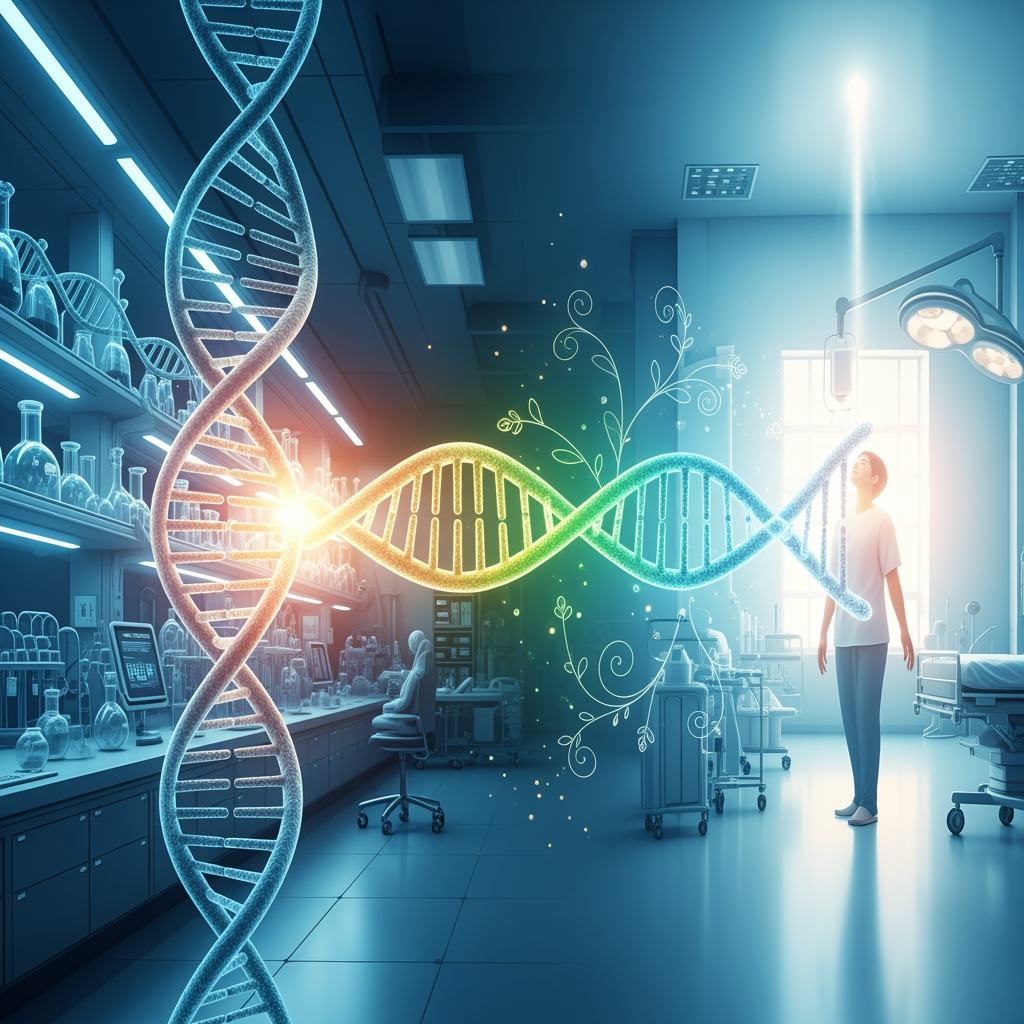
CRISPR gene editing technology has moved from laboratory curiosity to approved medical treatment. Patients with certain genetic diseases are now being cured through precise modifications to their DNA.
How CRISPR Works
The CRISPR-Cas9 system acts like molecular scissors, cutting DNA at specific locations. Scientists can use this to disable harmful genes, correct mutations, or insert beneficial genetic sequences. The precision is remarkable—targeting specific sequences among billions of DNA base pairs.
Approved Treatments
The first CRISPR-based therapies have been approved for sickle cell disease and beta-thalassemia, both caused by mutations in hemoglobin genes. Patients who once required frequent blood transfusions are now producing healthy blood cells on their own.
Dozens of other conditions are in clinical trials, from certain cancers to inherited blindness. The era of genetic medicine has truly arrived.
This article was generated by AI to provide informational content.