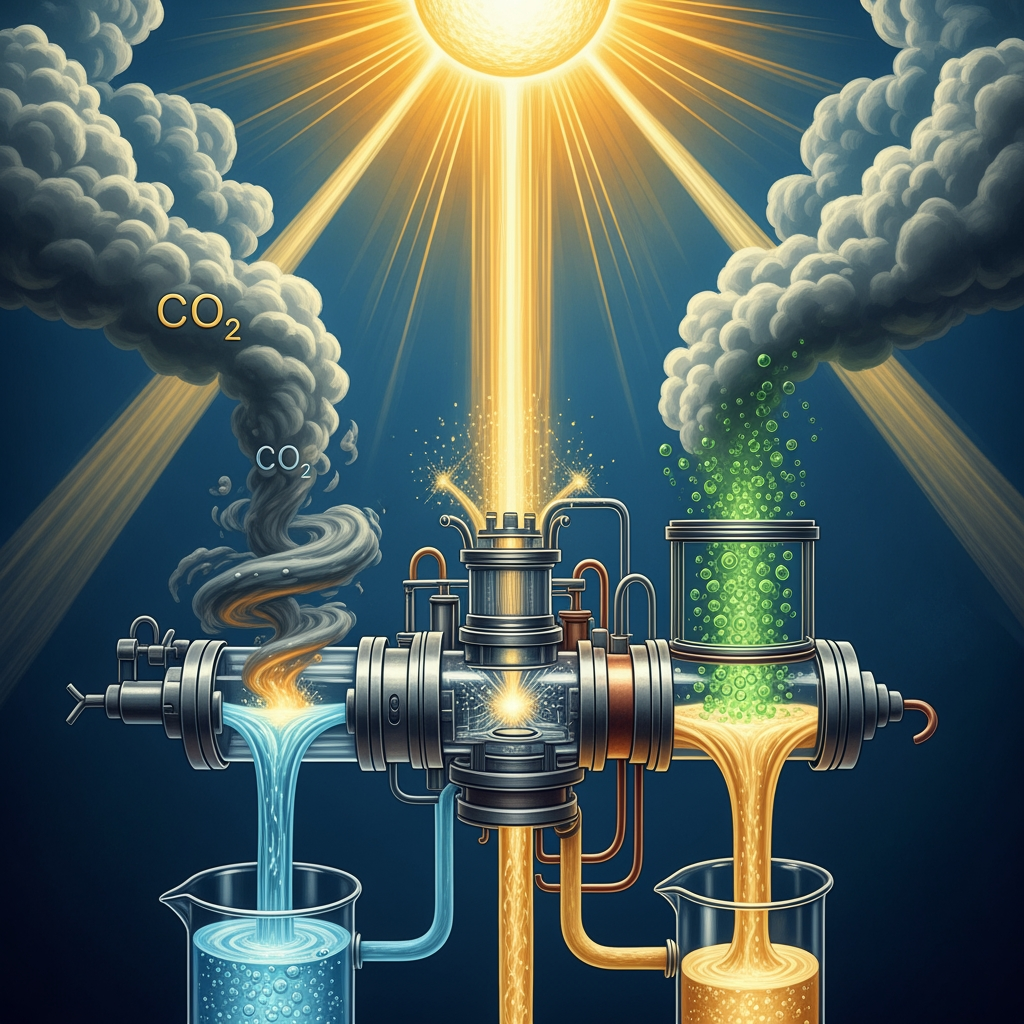
Scientists have developed systems that mimic plant photosynthesis, converting carbon dioxide and sunlight into useful fuels. This technology could help address both climate change and energy needs simultaneously.
How It Works
Like plants, artificial photosynthesis systems absorb sunlight and use that energy to convert CO2 into chemical compounds. But instead of producing sugars, these engineered systems create hydrogen fuel, methanol, or other useful products.
The Potential Impact
Imagine factories that pull carbon dioxide from the atmosphere while producing clean fuel. Current prototypes are still less efficient than natural photosynthesis, but they're improving rapidly. Some researchers believe commercial systems could be viable within 10-15 years.
The technology could be particularly valuable in regions with abundant sunlight but limited access to traditional energy sources.
This article was generated by AI to provide informational content.